
Choosing a Telehealth Platform: What to Evaluate Beyond Video Quality

Video quality is usually the first thing a practice evaluates when comparing telehealth platforms, and it’s an understandable starting point. A visit where the connection keeps dropping or the video is choppy is frustrating for everyone involved. But video quality is table stakes at this point, not a meaningful differentiator, and practices that stop their […]
Getting Started With SecureVideo: What Implementation Actually Looks Like

One of the most common hesitations practices have before adopting a new telehealth platform isn’t about the technology itself. It’s uncertainty about how disruptive getting started will actually be. Will it take weeks before a single session can be held? Will staff need extensive training before they can use it confidently? SecureVideo’s implementation process is […]
Switching Telehealth Platforms Without Disrupting Patient Care: A Migration Guide

Switching telehealth platforms can feel riskier than it should. A practice already has patients used to a certain process, providers who’ve built habits around a specific tool, and a fear that any transition period will mean dropped sessions, confused patients, or a gap in care. That risk is real if a migration isn’t planned carefully, […]
Session Reports and Analytics: What Your Usage Data Tells You About Your Practice

Most practices know intuitively whether their telehealth program feels busy or quiet, but intuition isn’t the same as data. Knowing exactly how many sessions ran last month, which providers are actually using the platform’s full feature set, and where patients are dropping off before a session even starts requires something more concrete than a general […]
Disaster Recovery and Uptime: What Happens Behind the Scenes When SecureVideo Stays Online

A telehealth platform is only as useful as its ability to actually be there when a patient needs it. A practice can have the best providers, the smoothest workflow, and the most engaged patients, and none of that matters if the platform itself goes down in the middle of a busy clinic day. Reliability isn’t […]
Telehealth for Physical Therapy and Rehab: Tracking Progress Between In-Person Visits
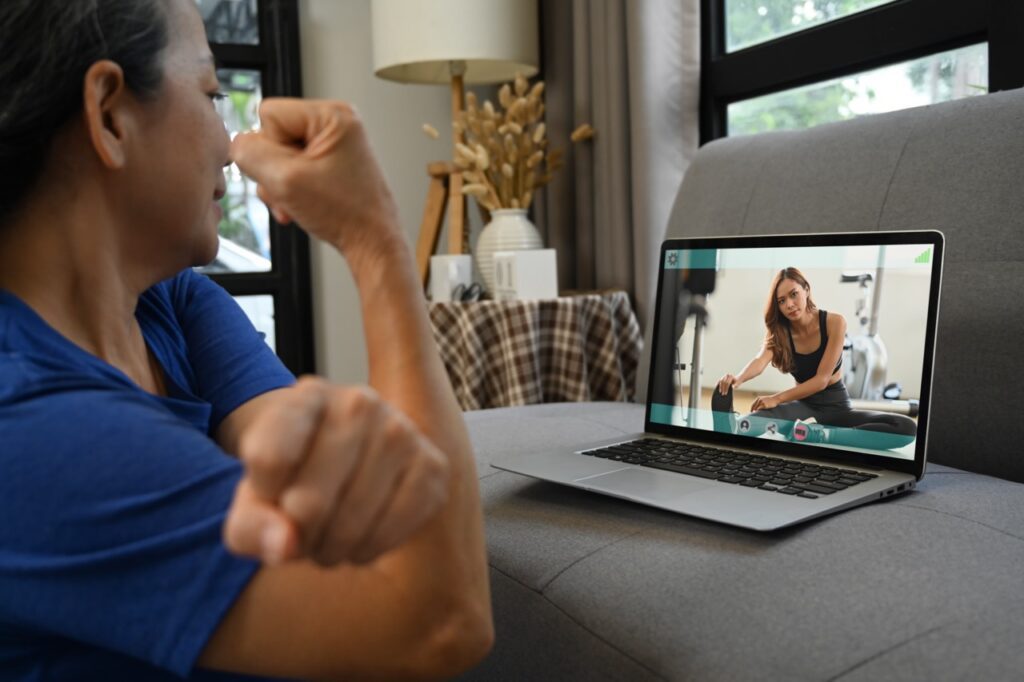
Physical therapy and rehab care depend on consistency. A patient who does their prescribed exercises correctly and regularly recovers differently than one who drifts from the plan between appointments, and most of that drift happens in the days a provider isn’t in the room to catch it. Telehealth won’t replace hands-on physical therapy entirely, but […]
Multi-Provider Accounts: Keeping Branding and Workflow Consistent Across a Growing Practice

Practices rarely start out with a single, unified telehealth setup on purpose. More often, individual providers sign up on their own, especially during a sudden shift to virtual care, and end up with slightly different configurations, different levels of feature adoption, and a patient experience that varies depending on which provider someone happens to see. […]
The Virtual Clinic: Letting Patients Book On-Demand Sessions Without Calling Your Office

A patient who wants to book an appointment shouldn’t have to call during business hours and wait on hold to do it. SecureVideo’s Virtual Clinic gives practices a public booking page where patients can request a session based on real provider availability, either scheduled in advance or on demand for more urgent needs, without a […]
Video Engine Fallback: How SecureVideo Keeps Sessions Running During a Zoom Outage
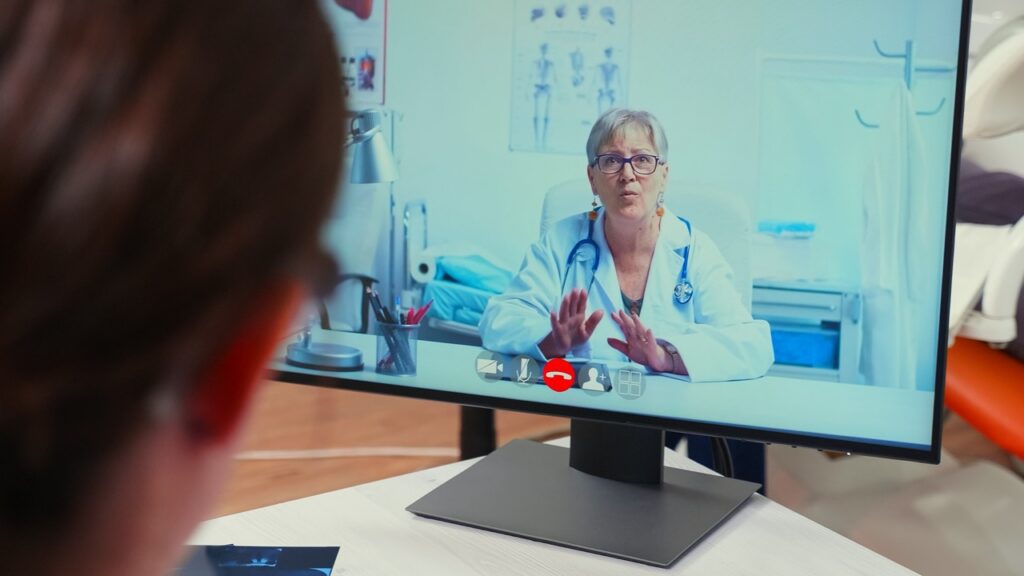
A canceled appointment costs more than the missed revenue. It costs a patient’s trust that virtual care is dependable enough to rely on. When a major video provider like Zoom experiences an outage, practices using a single video engine have no way around it. SecureVideo was built with a different approach: two independent video engines, […]
How SecureVideo’s HITRUST Certification Goes Beyond HIPAA Compliance

Most telehealth platforms will tell you they are HIPAA compliant, and that claim is true of SecureVideo as well. But HIPAA compliance is a baseline, not a ceiling. SecureVideo holds HITRUST certification, a security standard that goes further than HIPAA alone requires, and it is one of the reasons practices with the most sensitive workflows […]